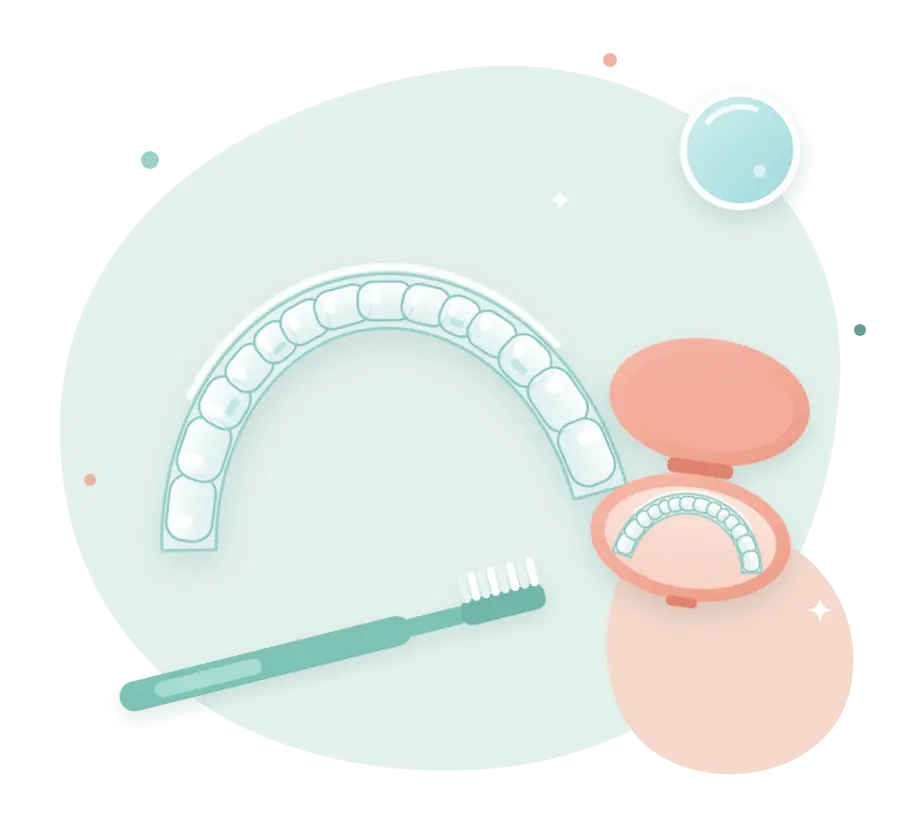
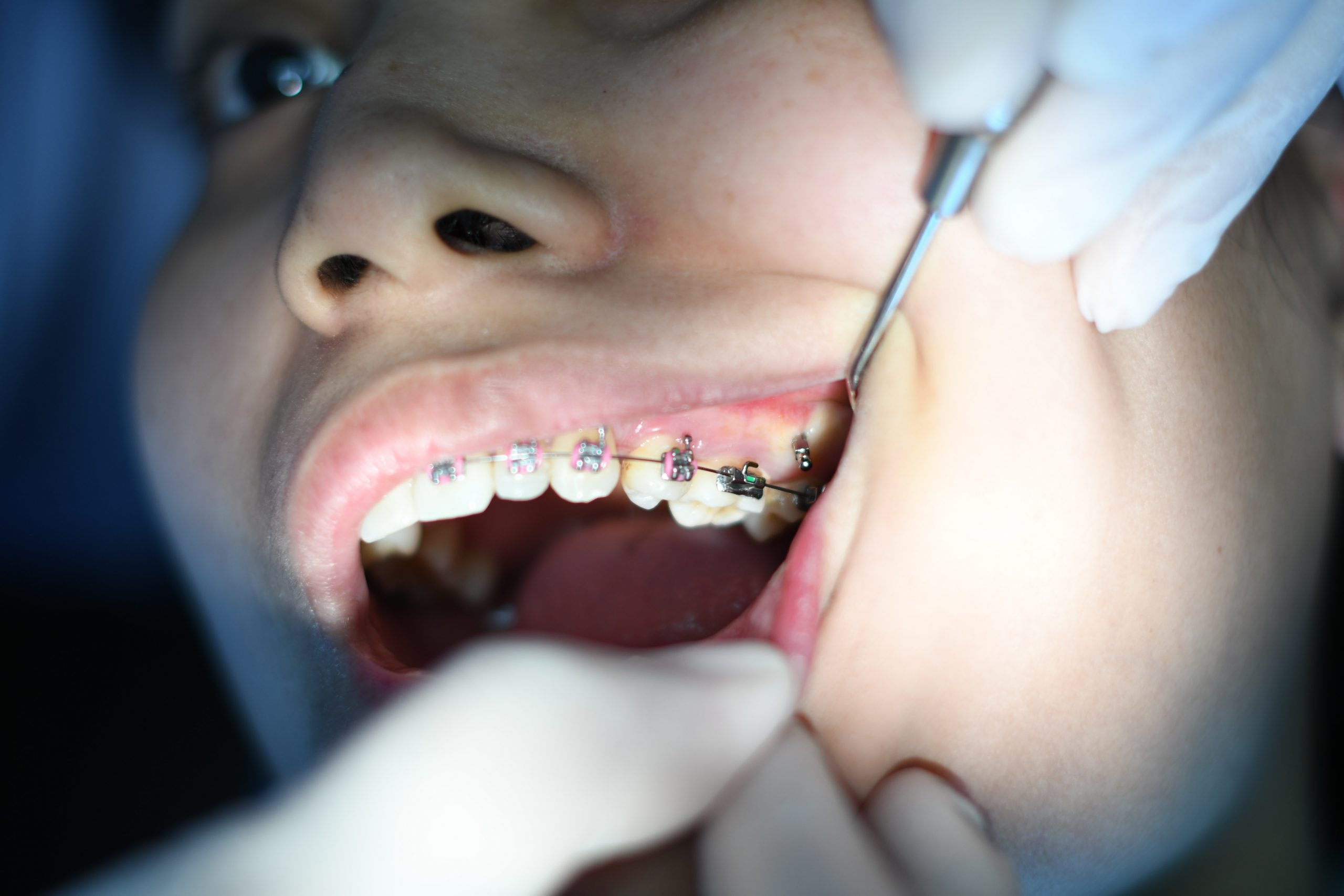
Aligners vs braces? It’s the first question almost everyone asks the moment they decide to fix their teeth. When I started my treatment, clear aligners were still a bit of an exotic thing where I live, and the general wisdom was simple: aligners are for “cosmetic touch-ups”, and anything serious needs braces. Aligners are everywhere now, but the myths around them are alive and kicking. 😄
So here’s my honest, patient’s-eye comparison of aligners vs braces – the real pros and cons, backed by a bit of actual science – so you can make an informed decision.
Contents
Aligners vs braces at a glance
| Aligners | Braces | |
|---|---|---|
| Visibility | Almost invisible | Visible (unless lingual) |
| Food | Take them out and eat anything | Watch out for hard and sticky stuff |
| Hygiene | Brush and floss as usual | Special brushes around every bracket |
| Pain | Milder, especially in the first days | Stronger after each adjustment |
| Discipline | 20–22 hours a day – it’s on you | Glued on, they “work by themselves” |
| Bite and complex cases | Yes – with attachments, elastics etc.; depends on your orthodontist | Yes – more predictable in severe skeletal cases |
| Cost | Usually higher | Usually lower |
With both, you get a retainer at the end – more on that below.
Myth: “Aligners are only for simple cases”
One of the most stubborn myths in the aligners vs braces debate is that aligners can only handle “small fixes”. Here’s the truth.
❌ Myth
“Aligners are only good for minor, cosmetic fixes. They can’t correct your bite – for that you need braces.”
✅ The truth
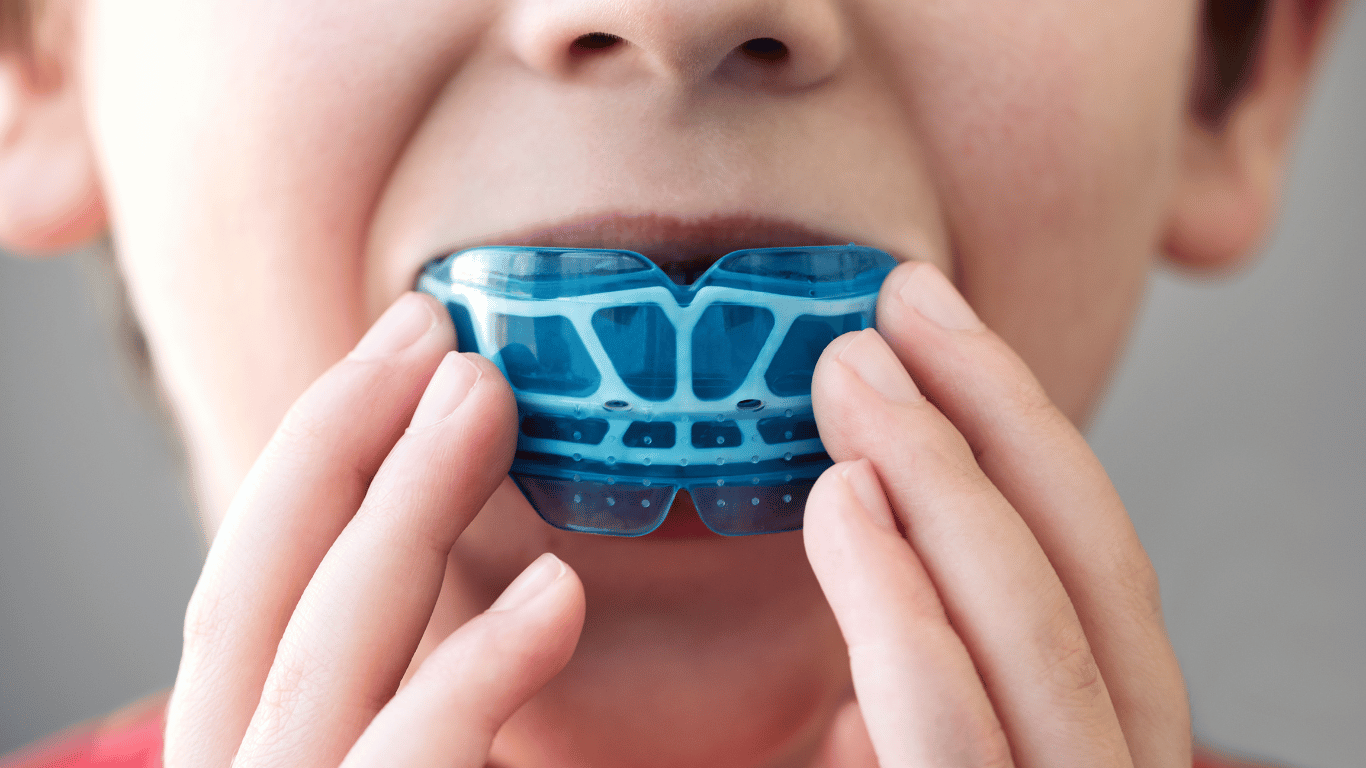
Modern aligners don’t just straighten crooked teeth – they fix bites too: deep bites, open bites, crossbites, and cases where the lower jaw sits too far back (Class II). They do it with attachments, elastics and buttons, mini-implants when needed, and – for kids and teens – little “wings” that guide the lower jaw forward. For younger children there’s also Invisalign First and a palatal expander.
And this isn’t just marketing: a 2025 systematic review found that aligners effectively correct mild to moderate deep bites, and in growing patients aligners with mandibular advancement correct Class II about as well as traditional functional appliances.
I fixed my own bite with aligners, too – the whole story is in my Invisalign experience post. 🙂
So where’s the real limit? It’s less about “mild vs severe” and more about whether the problem is in your teeth or in your jawbones. In severe skeletal cases braces have their limits too – sometimes surgery is part of the plan. Either way, the treatment plan and your orthodontist’s experience matter more than the type of appliance.
Aligners vs braces: the pros of aligners
They’re (almost) invisible
Hands down one of the biggest perks: clear aligners are barely noticeable. Nobody stares at your teeth, and if you have a big event, a photo shoot or a wedding, you can take them out for a bit (and I do mean a bit!) 😉
Cleaning is so much easier
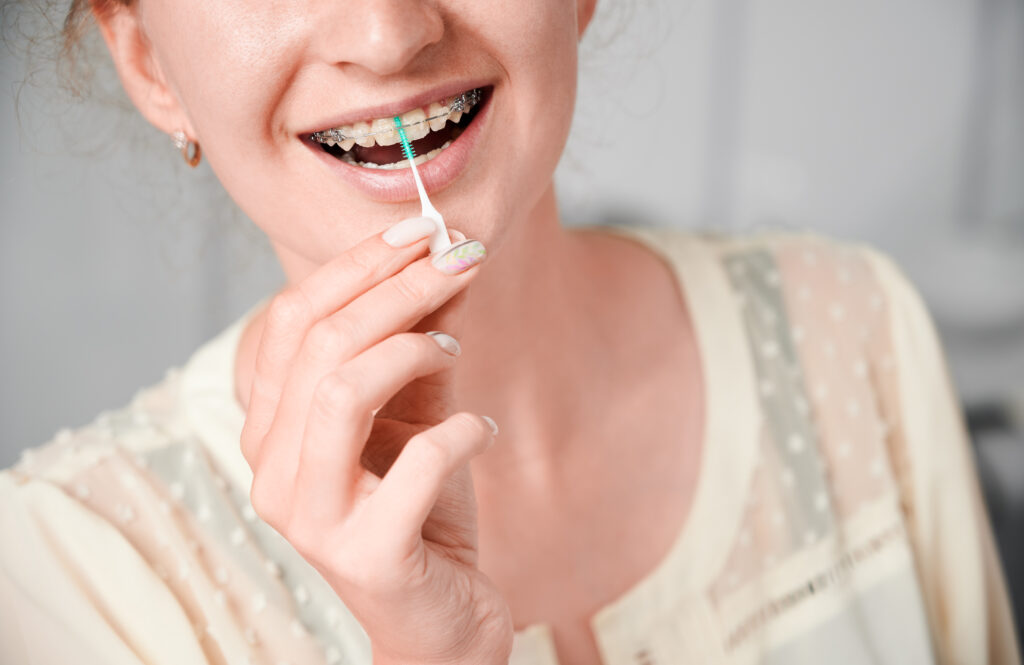
Unlike braces, aligners come out when you eat, so there’s no food stuck in them and no fishing around every bracket with floss threaders and tiny brushes after every meal. You brush your teeth pretty much like before – just more often. 🪥 The aligners themselves need some love too, of course.
With aligners you brush and floss almost normally – no wrestling with wires and brackets.
You’ll usually see your orthodontist less often, too. With braces, the wires get adjusted or changed every 4–8 weeks. With aligners, you get your next sets in advance and simply switch on the agreed day. There are still check-ups – just fewer of them.
More comfort, less pain
No metal means nothing digging into your cheeks, tongue or gums. That doesn’t mean zero pain: for the first three days or so with every new aligner, your teeth shift and you’ll feel the pressure. But braces hurt less often and more intensely, while aligners hurt more often and more gently. Or as I like to put it: with aligners it hurts less, but more often.
And it’s not just me – a 2020 systematic review concluded that aligner patients report less pain than braces patients, especially in the first days of treatment.
Aligners hurt less but more often – usually for about three days with each new tray.
Faster treatment (sometimes)
Aligners are swapped often, in many small steps, so simpler cases can finish sooner. A 2019 meta-analysis even found treatment was about 6 months shorter with aligners on average – but mainly in cases without extractions. In extraction cases, braces came out faster.
To be fair, a more recent 2024 systematic review found no real difference in treatment time for mild to moderate crowding. So “faster” is really “sometimes faster” – it depends on your case, your plan and how religiously you wear your trays. 😅
Eat whatever you want
No need to watch what you eat – sticky stuff, crunchy stuff, popcorn, steak and corn on the cob, go wild. 🌽🍿 The catch: the aligners come out for every meal, and ideally you brush before putting them back in.
Of course, nothing’s perfect – aligners have their downsides too. Here are the big ones.
Aligners vs braces: the cons of aligners
Cost
When people weigh aligners vs braces, cost is often the deciding factor – and braces win this one. Aligner treatment is usually noticeably more expensive. The good news: with more orthodontists and aligner systems out there now, you have more options to compare.
Self-discipline
Aligners demand serious self-control. Taking them out before meals, remembering where you put them (never in a napkin! 😂), putting them back afterwards and wearing them 20–22 hours a day – it all takes discipline, for the entire treatment. Braces get glued on and just do their thing. Honestly, this might be the most important question in the whole aligners vs braces decision: how disciplined are you?
The golden rule: 20–22 hours a day. Aligners only work when they’re in your mouth – not in the case. 😉
When the trays stop “clicking in”
With braces, if something isn’t going to plan, your orthodontist can adjust it at the next visit. With aligners, it means a new scan, a new plan and a new set of trays – which can add a month or a month and a half while you wait for them to arrive. Not a big deal once, but annoying if it happens a few times.
Not every case is equally easy
As I said above, “only for simple cases” is a myth – but there’s a grain of truth in it. The research shows aligners do very well in mild to moderate cases, while in severe cases and for certain tricky movements (like controlling root angulation or pulling a tooth down into place) braces are more predictable. That’s the conclusion of a 2022 overview of systematic reviews.
On the other hand, with attachments, elastics and mini-implants, aligners now treat far more complex cases than they used to. The orthodontists I’ve interviewed all said the same thing: almost anything can be treated with either aligners or braces – what really matters is the plan and the doctor’s experience. Which is why choosing the right orthodontist is the most important step of all.
Attachments
If you have attachments on every tooth, your aligners can end up looking a bit like clear ceramic braces, so the “invisible” advantage shrinks a little.
With both: a retainer afterwards
Whatever you pick – aligners or braces – your teeth have a “memory” and want to go back where they came from. That’s why a retainer comes next (either a wire bonded behind your teeth or a clear tray you wear at night). Studies suggest relapse can be slightly greater after aligners, so don’t mess around with your retainer. 😉
A retainer is a must after both aligners and braces – it protects the result you paid for (and suffered for).
Aligners vs braces: which should you choose?
Aligners might be for you if:
- you want your treatment to be practically invisible;
- you’re not ready to give up popcorn, nuts and anything chewy;
- you’re disciplined (or at least willing to become disciplined 😅);
- your case is mild to moderate – or your orthodontist has real experience with complex aligner cases.
Braces might be the better choice if:
- budget is a big factor;
- you know you’ll keep leaving your trays on restaurant tables;
- your case is severe and your orthodontist recommends braces;
- you prefer “set it and forget it”.
Only your orthodontist can tell you what’s right for your teeth – here’s how to choose an orthodontist you can trust. If you’re torn between aligners vs braces, ask at your consultation how many similar cases they’ve treated with aligners. 😉
Aligners or braces – whichever you choose, what matters most is having the motivation and stubbornness to see it through. The results are always worth it! 😊
Sources
- Ke Y. et al. (2019). A comparison of treatment effectiveness between clear aligner and fixed appliance therapies. BMC Oral Health.
- Cardoso P. C. et al. (2020). Pain level between clear aligners and fixed appliances: a systematic review. Progress in Orthodontics.
- Yassir Y. A. et al. (2022). Clinical effectiveness of clear aligner treatment compared to fixed appliance treatment: an overview of systematic reviews. Clinical Oral Investigations.
- Alhamwi A. M. et al. (2024). Duration of orthodontic treatment with clear aligners versus fixed appliances in crowding cases: a systematic review. Clinical Oral Investigations.
- Effects of clear aligners treatment in growing patients: a systematic review (2024). Frontiers in Oral Health.
- Husain et al. (2025). Effectiveness and accuracy of clear aligners in treatment of deep bite: a systematic review. Clinical Oral Investigations.

Leave a Reply
You must be logged in to post a comment.