
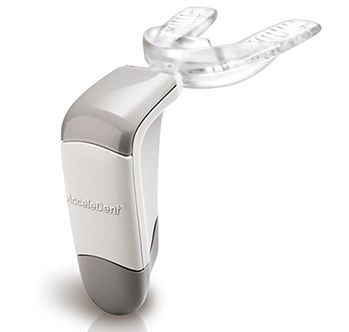
AcceleDent and OrthoPulse are devices that promise to speed up orthodontic treatment – with braces or aligners. The claim is that treatment can be up to 50% shorter and that tooth movement hurts less. Who wouldn’t want to wear aligners for half the time?
When I first heard about them, I read a lot on the subject. Here’s what they are, how they’re used, what they cost and whether they actually work.
Contents
In short: AcceleDent uses gentle vibration and OrthoPulse uses light. Both are considered safe, but they’re expensive, and research so far doesn’t show that they shorten treatment.
| AcceleDent | OrthoPulse | |
|---|---|---|
| How does it work? | gentle vibration | near-infrared light |
| How long per day? | 20 minutes | 10 minutes |
| What does it promise? | up to 50% faster treatment | up to 50% faster treatment |
| What does research show? | no effect on treatment time | possibly slightly faster alignment early on with braces, but the evidence is very weak |
What are AcceleDent and OrthoPulse, and how do they work?
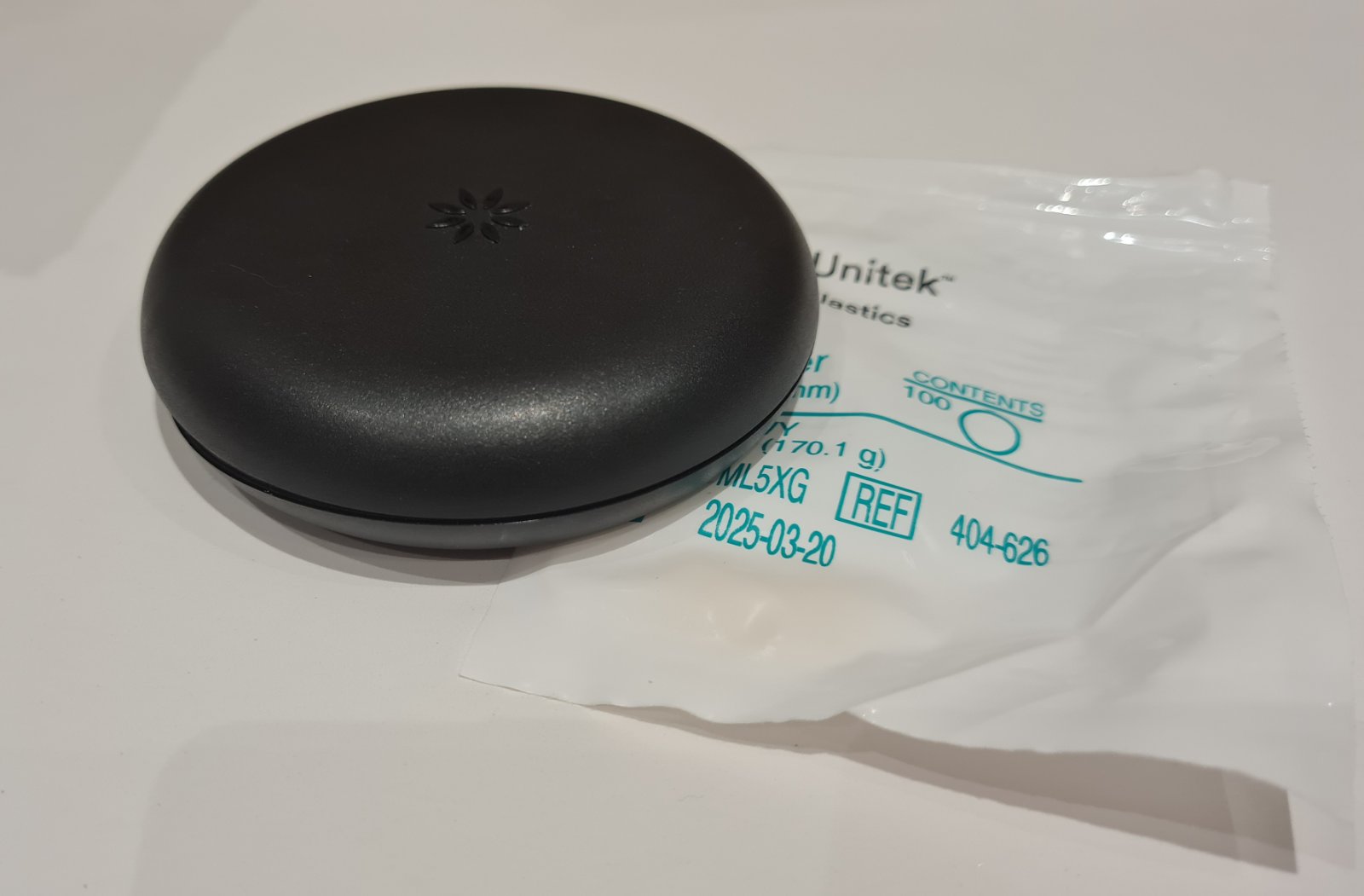
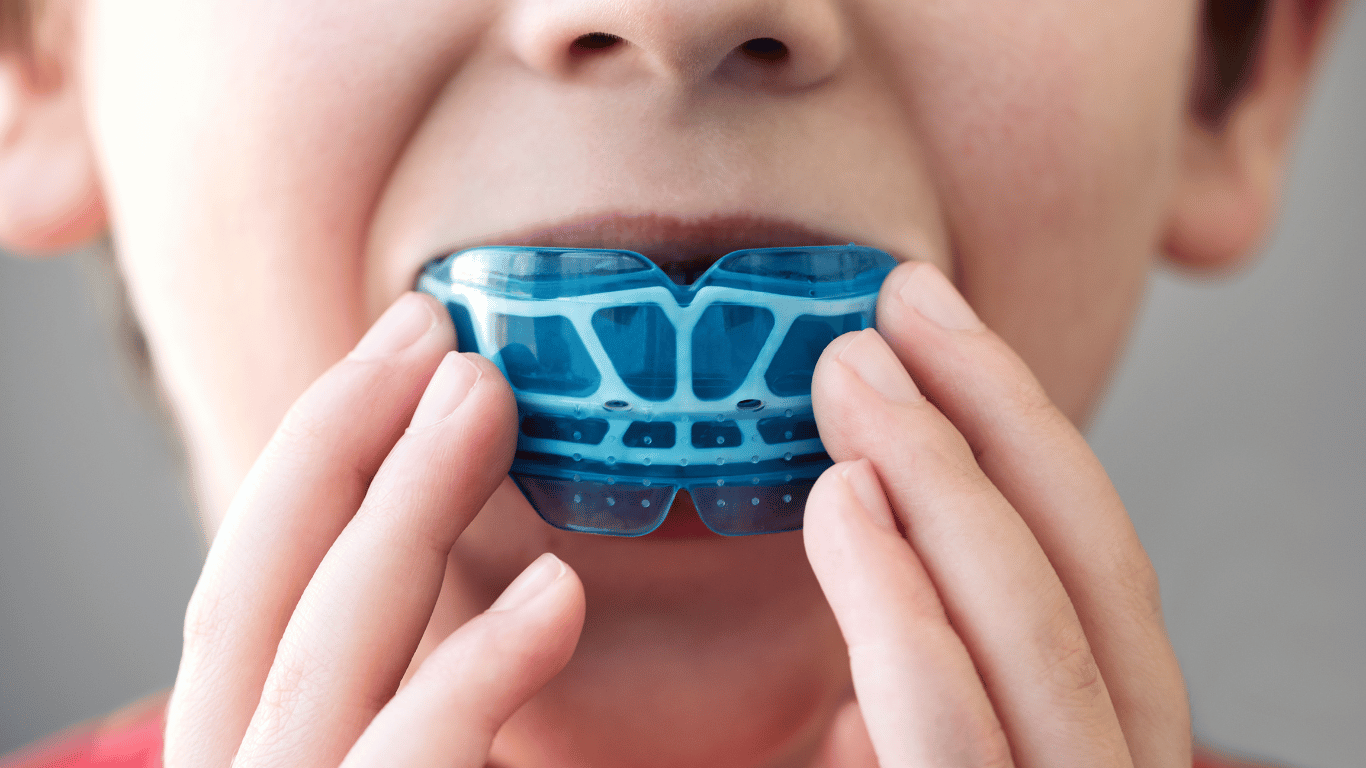
Both are small devices with a mouthpiece that you put in and bite on – they look a bit like the gum shields boxers wear in the ring 🙂 The difference is in how they work:
- AcceleDent uses gentle vibration (“micropulses”). The idea is that the vibration travels through the teeth to the bone and speeds up bone remodelling – and with it, tooth movement.
- OrthoPulse uses near-infrared light, which shines through the cheeks and gums to the bone around the tooth roots. According to the manufacturer, the light supports bone remodelling and blood flow, so the teeth move more easily. Since late 2025 there’s also a cheaper model, OrthoPulse lite. You can read more on the official OrthoPulse website.
How are they used?
You take your aligners out, put the device in your mouth and bite gently. AcceleDent is used for 20 minutes a day and OrthoPulse for 10. They charge by cable or wirelessly, and you don’t need to hold them. Using them for longer doesn’t make them work faster. The manufacturers say you may be able to change aligners more often – every week, for example. But only your orthodontist decides when to switch to the next aligner – more in when to change your aligners.
Do AcceleDent and OrthoPulse really speed up treatment?
That’s the big question. There’s quite a lot of research on it, and most of it comes to the same conclusion: AcceleDent’s vibration doesn’t shorten treatment. For OrthoPulse’s light, there’s some data suggesting teeth line up slightly faster at the start of treatment with braces, but it’s very uncertain – and overall treatment time still isn’t shorter. With aligners, the picture is the same.
The study I found most interesting was one with Invisalign from 2018. Adult patients changed their aligners every week – some with a real AcceleDent, others with a device that didn’t vibrate, and nobody knew which one they had. 77% of the first group and 85% of the second finished treatment successfully. In other words, AcceleDent didn’t help.
This month the maker of OrthoPulse announced that Invisalign treatment was 55% shorter for patients at one clinic. But that’s data from a single practice, announced by the company itself – so for now I wouldn’t rely on it.
If your orthodontist suggests one of these devices, ask: “How much shorter will my treatment be, exactly, and what is that estimate based on?”
Are AcceleDent and OrthoPulse safe?
They’re considered safe – both are cleared for use in the US, and OrthoPulse is also approved in Europe. They’re used by children and adults, but you can’t buy them freely – you get them through your orthodontist, who can judge whether they make sense in your case.
How much do they cost, and where can you buy them?
They’re ordered only through your orthodontist. You can’t buy them yourself, and a second-hand one won’t do the job – reportedly the device is set up for a specific patient and treatment length. When I first wrote this article in 2022, they cost over 1,000 leva in Bulgaria (about €510), with OrthoPulse a bit more expensive. Ask your orthodontist for today’s price. For the cost of treatment itself, see how much clear aligners cost in Europe.
Besides AcceleDent and OrthoPulse, there are other similar devices on the market promising the same thing. The same applies to them: before you pay, ask what the evidence is.
My experience: why I decided against AcceleDent and OrthoPulse
I have to admit the idea was very tempting. After all, my Invisalign treatment lasted 3.5 years – more about that in my Invisalign experience. I wondered whether to buy a second-hand device or order one through my orthodontist. Two things put me off: the high price and the fact that the research I read wasn’t convincing. And today, years later, the picture hasn’t changed much.
If you want your treatment to stay on schedule, the surest way is free: wear your aligners 20–22 hours a day (how many hours a day to wear aligners), change them when your orthodontist tells you to, and don’t skip check-ups. There are more useful things in my aligner tips. And if something isn’t right, see when to call your orthodontist.
Sources
- El-Angbawi A. et al. (2023). Non-surgical adjunctive interventions for accelerating tooth movement in patients undergoing orthodontic treatment. Cochrane Database of Systematic Reviews.
- Cochrane Oral Health – Updated review: Non-surgical adjunctive interventions for accelerating tooth movement (2023).
- Katchooi M. et al. (2018). Effect of supplemental vibration on orthodontic treatment with aligners: A randomized trial. American Journal of Orthodontics and Dentofacial Orthopedics.
- Sirri M. R., Namera M. O., Alasbahi M. Y. S. (2026). The impact of physical adjunctive interventions on outcomes of clear aligner treatment: A systematic review of randomized controlled trials. PLOS ONE.
- Orthodontic Products – Biolux Technology Reports New Clinical Data on OrthoPulse Device (September 2026).
- Orthodontic Products – Biolux Launches Lower-Cost OrthoPulse lite Device (December 2025).
- Dental Tribune – OrthoAccel’s new AcceleDent Optima receives FDA clearance.
- Kevin O’Brien’s Orthodontic Blog – Does AcceleDent speed up Invisalign treatment?
- Kevin O’Brien’s Orthodontic Blog – Does OrthoPulse work? The results of another trial.

Leave a Reply
You must be logged in to post a comment.